
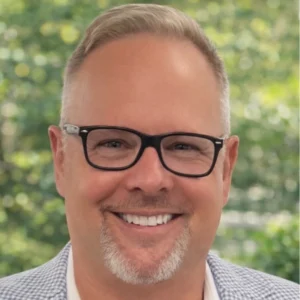
 Johnny Schrunk
Professional Safety Consulting, L.C. | Owner
Before I understood underwriting, loss ratios, or insurance programs, I learned work.
I grew up around trucking. Some of my earliest memories are riding along with my dad, drinking a Dr Pepper, sitting in offices and driver training rooms, and helping however I could, getting paid in Caramelo’s. By the time I was a teenager, I was auditing logbooks and working alongside him every Saturday. Later, when he transitioned into loss control, I spent summers traveling with him, sitting inside trucking companies with a checklist, a stack of driver files, and a simple instruction: audit them.
Looking back, that experience shaped how I view loss control to this day.
Over time, one principle became second nature to me. The purpose of loss control isn’t to catch people doing things wrong. It’s to understand how a business actually operates, identify strengths and weaknesses, and help improve performance over the long term.
I’ve spent my career working in transportation and commercial loss control with insurers, MGAs, and program managers. In that time, I’ve seen the same issue repeat itself across the industry. Most programs focus heavily on underwriting and claims (premium in, losses out) while loss control is treated as a formality rather than a strategy.
The most successful programs I’ve worked with operate differently. Underwriting, claims, and loss control work together with open communication and shared accountability. Loss trends are discussed early. Recommendations are practical and realistic. Follow-through is expected. Loss control isn’t an afterthought—it’s integrated into how the program functions.
That philosophy drives how I work and how I train my team.
I don’t send consultants out to simply complete inspections and write reports. I expect them to start with a conversation. Trust matters. When people trust you, they’re honest about what’s really happening inside their operation. That’s where meaningful risk improvement begins.
I’ve also seen what happens when loss control is ignored or underutilized. Programs grow quickly, rely on pricing or technology alone, and skip foundational risk management. A few years later, losses pile up, paper gets pulled, and the book runs off. It’s a cycle our industry knows well—and one that’s largely avoidable. I’m candid about what I know and what I don’t. If I don’t have an answer, I’ll find it. This is the only industry I’ve ever worked in. It’s what I know, and it’s where I continue to focus my energy.
If you’re tired of reactive thinking and ready to build something that lasts, let’s talk.